What taro boba actually is
Taro is a starchy root vegetable, similar to a potato, common across Southeast Asian and Pacific Island cooking. In its raw form it’s barely sweet, beige-colored, and needs cooking. What you see in a taro boba is different.
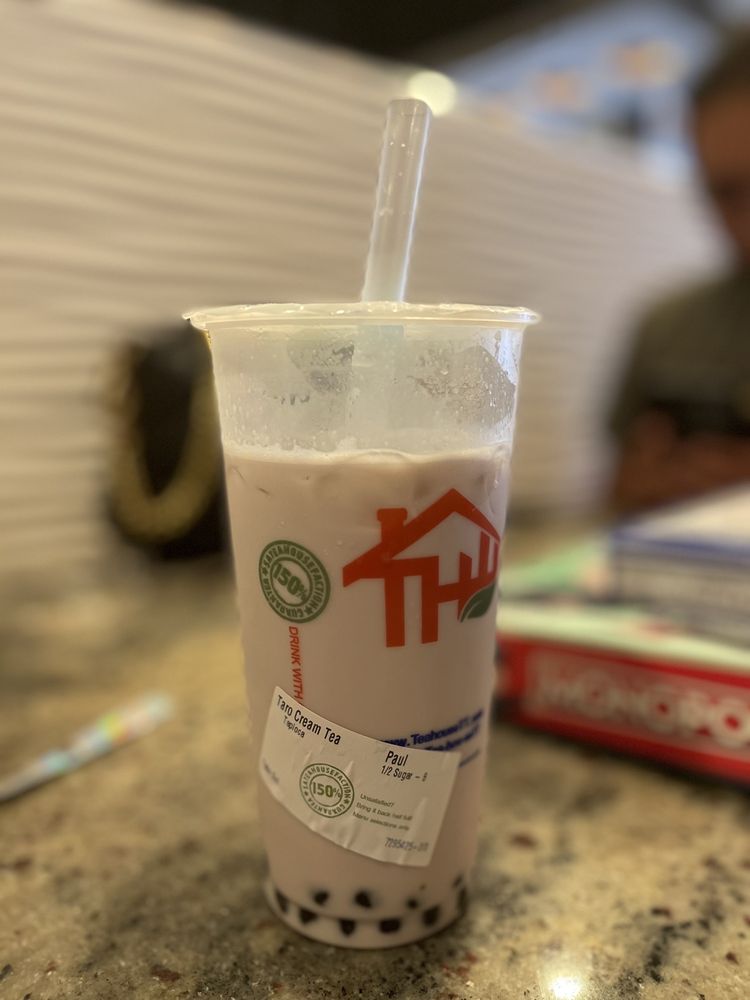
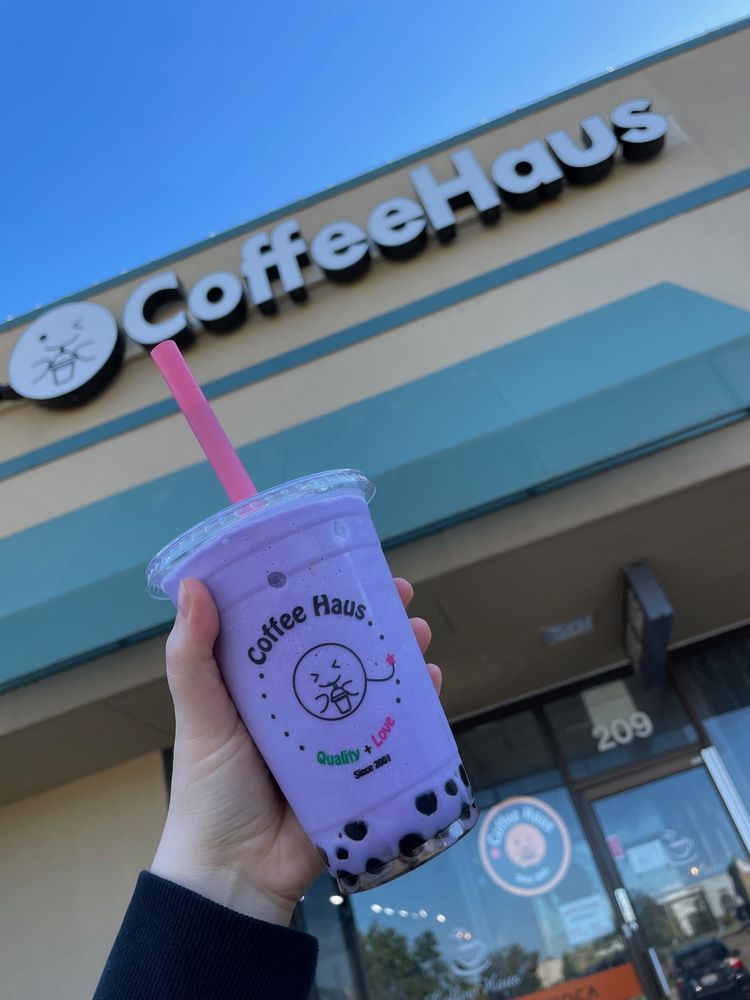
Most taro boba in the US is made from taro powder, a pre-mixed blend of taro, sugar, milk powder, and purple food coloring. That’s where the signature Barbie-pink color comes from; actual cooked taro is pale lilac at best. Pour the powder into milk, add pearls, shake.
A smaller number of shops (usually specialty places) use real taro paste — chunks of cooked taro blended with milk and sugar. These taste earthier and look closer to gray-purple than bright-purple. Boba Guys, Twirl, and a handful of independents do this.
So when you order “taro milk tea,” you’re mostly ordering a sweetened starch-and-milk drink. In most cases it doesn’t contain any actual tea. This matters for caffeine.
What matcha boba actually is
Matcha is powdered green tea, specifically, stone-ground Japanese green tea that’s shade-grown, steamed, and milled into a fine powder. You drink the whole leaf, not just an infusion. That’s why matcha is more concentrated than brewed tea on almost every measure.
Matcha boba is typically a shot of matcha whisked with hot water, combined with milk and sweetener, then poured over ice with pearls. Some shops use pre-mixed matcha powder blends (which contain sugar and creamer alongside the matcha). The quality gap between ceremonial-grade matcha and cheap culinary-grade powder is significant, and most boba shops use cheaper grades.
So matcha boba is tea, actual tea, concentrated — in a way taro boba usually isn’t.
Flavor comparison
Taro: sweet, creamy, faintly vanilla, starchy in a good way, slightly floral. Reminds some people of Fruity Pebbles or vanilla ice cream with coconut. The powder versions are much sweeter than the real-paste versions.
Matcha: earthy, grassy, vegetal, with a natural bitterness that takes getting used to. Cheap matcha can taste dry or dusty. Good matcha has a mild umami sweetness that emerges after the first sip.
The two drinks suit different moods. Taro is dessert. Matcha is more like coffee, you drink it for the edge as much as the taste.
Caffeine, the biggest practical difference
Taro milk tea: usually zero caffeine, because most versions don’t contain tea. Even the “taro milk tea” wording is a small lie — it’s a taro milk, not a tea.
Some shops do a “taro black tea milk” or a “taro green tea” variant. Those have caffeine, because the tea is real. Ask the shop if you care.
Matcha boba: 70-120 mg per 16 oz, sometimes higher at shops using doubled shots. That’s in the same range as a cup of drip coffee.
So if you’re ordering at 3pm and want to sleep at 11pm, taro is the safe bet. If you want a caffeine kick, matcha delivers more reliably than most other boba options.
Calories and sugar
A 16-oz pour at 100% sweet, with pearls:
Taro milk tea (powder-based):
- 380-460 calories
- 55-70 g sugar
Taro milk tea (real paste, sweetened lightly):
- 280-360 calories
- 30-45 g sugar
Matcha milk tea (standard powder):
- 320-400 calories
- 45-55 g sugar
Matcha milk tea (ceremonial-grade, lightly sweetened):
- 220-280 calories
- 20-30 g sugar
The powder versions of both are heavier because they contain built-in sweetener. If you want to cut sugar, ask for real taro or real matcha specifically, then customize sweetness levels separately. Most shops can’t do this. A small number can.
Health considerations
Matcha has a meaningful antioxidant load (EGCG, L-theanine). The L-theanine gives matcha its reputation as “calm alertness”, caffeine without jitters. Whether you feel that depends on sensitivity, but the research is real for doses of 100-200 mg L-theanine, which matcha delivers at 1-2 shots.
Taro, as a food, has fiber, potassium, and complex carbs. As a boba drink, with sugar, milk, and pearls — most of that nutritional value is drowned out. Real-paste taro boba keeps a little of it. Powder taro basically doesn’t.
For pregnancy, caffeine sensitivity, or sleep: taro wins. For workout-adjacent drinks, focus work, or when you want a real tea flavor: matcha wins.
Which one to order
If you like sweet, creamy, dessert-like: taro. If you like earthy, slightly bitter, concentrated: matcha. If you want caffeine: matcha. If you want to drink boba at night: taro. If you prefer tea over non-tea: matcha (taro often isn’t tea at all). If you’ve never had either and want the safer bet: taro is almost universally approachable.
A small ordering tip: at a lot of chains, the default matcha is too sweet and too weak. Ask for a “double shot matcha” at 50% sweet. The drink improves substantially. For taro, the default is usually too sweet too, try 50% on the first order.
Bottom line
Taro is a sweet, nutty, caffeine-free milk drink that doesn’t usually contain tea. Matcha is a concentrated Japanese green tea with a lot of caffeine and earthy, vegetal flavor. They’re almost diametric opposites in every respect, taste, caffeine, color, health profile — and you’ll probably find you strongly prefer one over the other. Which is fine. They’re meant for different occasions.
If you haven’t tried both, the cheap way to decide is to order a small of each on two different visits. By the end of the second cup you’ll know which camp you’re in.