What’s actually in a boba, macros-wise
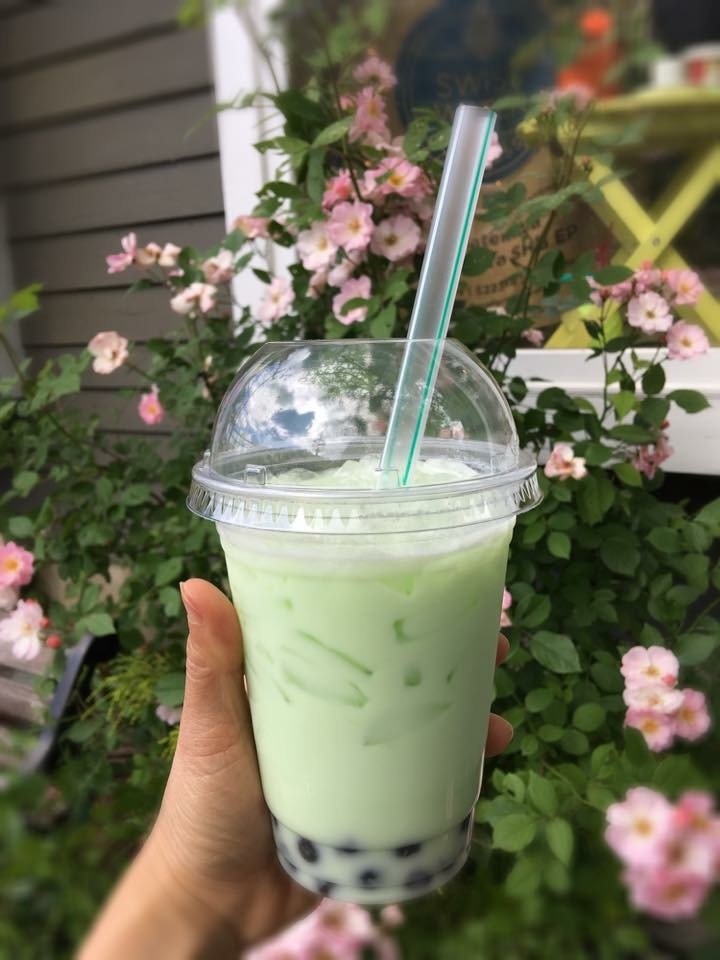
A standard 16-oz classic milk tea with pearls at 100% sweetness:
- Carbs: 60-80 g (mostly fast sugar plus ~25 g starch from pearls)
- Protein: 2-5 g (from dairy or non-dairy creamer)
- Fat: 5-10 g
- Calories: 300-500
Compare that to something you’d call a recovery shake, a real one has 20-40 g protein and a 2:1 or 3:1 carb-to-protein ratio. Boba is closer to 20:1. So it’s doing one job (replacing glycogen with fast carbs) and failing completely at the other (providing amino acids for muscle repair).
That one job, though, is legitimately useful in one narrow window.
Before a workout
Fast carbs before training can help if:
- You’re doing a longer session (45+ minutes of hard work).
- You haven’t eaten in 3-4 hours.
- You’re lifting heavy or doing anything glycolytic.
The problem is timing. A full-sugar boba hits your blood sugar in 20-30 minutes and crashes about an hour after that. If you chug one right before lifting, you’ll peak mid-session and crash during your heaviest sets. Not great.
A workable pattern:
Drink a boba 60-75 minutes before training, not right before. Choose a smaller size (12 oz) and drop to 50% sweet. The carbs will be absorbed and available, and the crash will hit after you’re done, not during.
Even better: skip the pearls, skip the brown sugar. A plain milk tea at 25% sweet delivers roughly the same useful carbs without the stomach weight or the sugar crash.
Don’t do boba pre-workout if you’re doing a short session (under 30 minutes), fasted cardio, or anything where you need steady energy rather than a spike.
After a workout
Here’s where the macros fall apart. After hard training your muscles want protein first, carbs second. Boba gives you the opposite. You’d need to add a 25-30 g scoop of whey or casein to make a post-workout boba functional.
Some people blend protein into homemade boba — that works. A few boba shops now offer a protein add-in (Boba Guys, a handful of independents). But ordering a standard boba as your only post-workout drink is a miss.
A better pattern if you want to drink boba post-workout:
- Eat your real meal first (protein + carbs + vegetables).
- Get your boba 30-60 minutes later as dessert.
That way you’re not blowing your whole recovery window on a 2-gram-protein drink.
The “minimal nutrition” problem
The reason sports dietitians are skeptical of boba as a workout drink isn’t the calories, it’s the quality. A standard boba delivers:
- 30-50 g of added sugar (fast)
- 25 g of resistant-to-moderately-digestible starch (moderate)
- Almost no fiber
- Almost no protein
- Almost no micronutrients
For context, a banana with two tablespoons of peanut butter gives you roughly the same carbs plus 8 g protein, 4 g fiber, potassium, and real vitamins. It costs a dollar and it actually helps your body do things. A boba costs 6-8 bucks and is mostly pleasure.
None of that is an argument against boba. It’s just an argument against pretending it’s functional food.
How to build a workout-friendly boba order
If boba is non-negotiable and you want to make it less destructive to your training:
- Medium size, not large.
- 25% or 50% sweet.
- Oat milk or real milk, not non-dairy creamer (real milk adds 8 g protein per cup).
- Consider skipping the pearls and using aloe or basil seeds.
- Choose a green or oolong base over matcha or black if caffeine disrupts your sleep (training sleep matters more than people think).
That gets you a drink that’s roughly 150-200 calories, 20-30 g carbs, 6-8 g protein. Still not a recovery drink, but no longer actively sabotaging you.
Better alternatives for people who train seriously
Honest list:
- Chocolate milk, real cliché for a reason, 8 g protein + 26 g carbs per cup, perfect ratio.
- Protein shake plus a banana.
- Greek yogurt plus honey.
- A proper meal.
Boba is closer to apple juice than to Gatorade. It hydrates in a pinch, it delivers carbs, and that’s it.
Bottom line
Boba before a workout works if you time it an hour out, go lighter on the sweetness, and skip the pearls. Boba after a workout doesn’t really work unless you’re adding protein from somewhere else. Mostly, treat it as what it is — a dessert drink you enjoy around the margins of training, not a tool that helps you train.
If you’re training seriously enough that this question actually matters to your results, talk to a sports dietitian. If you’re not, stop overthinking it and just enjoy the drink.