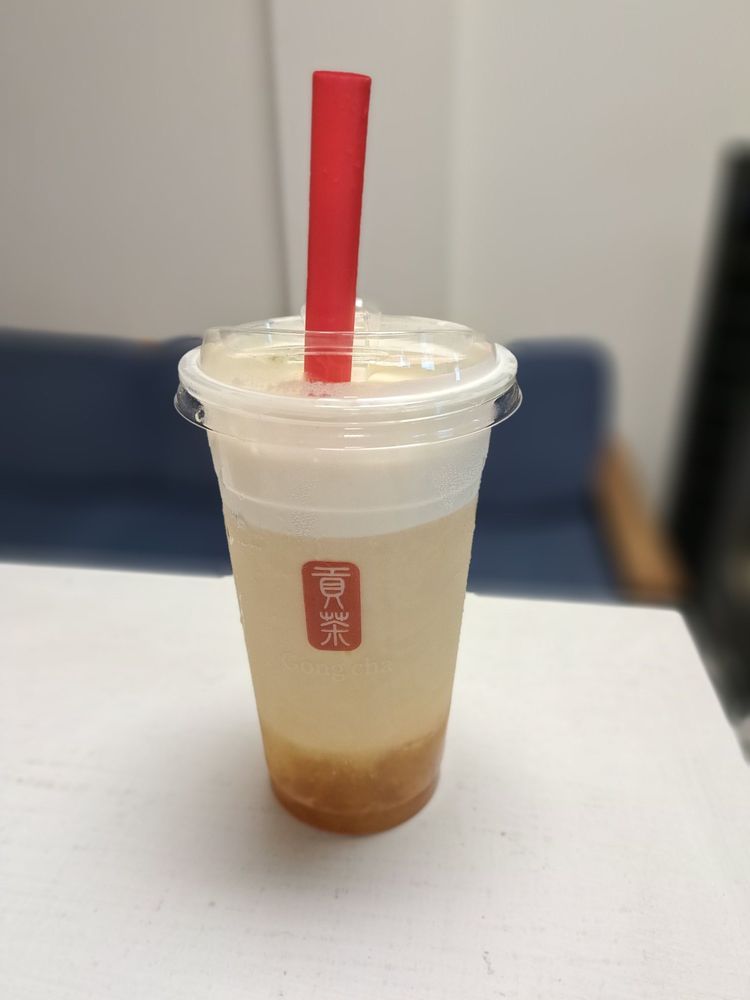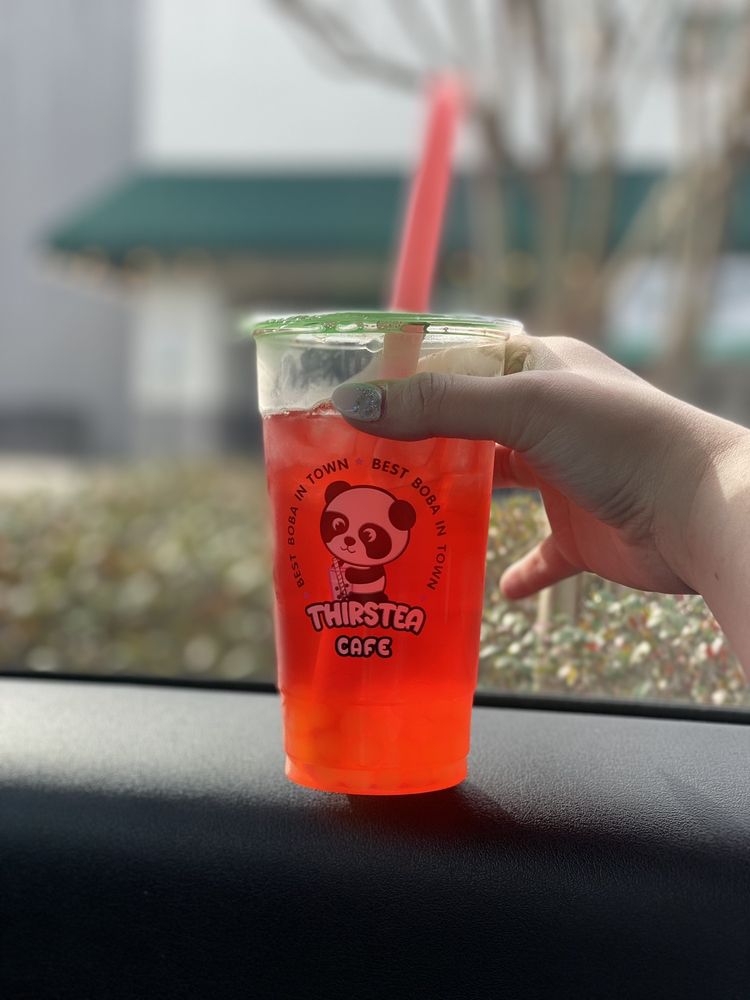
How much sugar is actually in boba?
The three ingredients that drive the carb count:
- The sweetener — standard 100% sweetness adds 30-45g sugar per 16 oz. “50% sweet” halves that.
- The tapioca pearls — 20-30g of carbohydrate from cassava starch per standard portion. Pearls soaked in brown-sugar syrup add another 10-15g on top.
- The milk — regular milk contributes ~12g lactose. Non-dairy creamer powder often contains added sugar or corn syrup solids.
A Tiger Sugar brown-sugar boba with milk (the viral one) can hit 90g+ of sugar in a single large. That’s more sugar than a 20-oz Coke.
The glycemic load is the real problem
Sugar count alone doesn’t tell the whole story. What matters for blood glucose is glycemic load — how fast the carbs reach your bloodstream. Boba scores badly on that too:
- Tapioca pearls are pure starch, rapidly digested. Glycemic index is ~81 (white bread is ~75).
- Brown sugar, honey and fructose syrups absorb in minutes.
- Liquid calories bypass the satiety signals solid food gives you.
Translation: a typical boba delivers a sharp glucose spike, usually peaking 30-60 minutes after the last sip. For type 2 diabetics trying to hold A1C under 7%, a daily full-sugar boba can undo weeks of careful eating.
Type 1 vs type 2: different math, same drink
Type 1 — you can usually cover boba with a bolus if you count carbs accurately. Challenge: the fat from whole milk or non-dairy creamer slows absorption, so glucose keeps rising for 2-3 hours. Many T1Ds use extended or dual-wave bolus patterns when drinking boba.
Type 2 — boba is a stress test for your insulin sensitivity. If you’re on metformin alone, a full-sugar boba probably produces a 2-hour post-prandial reading well above target. If you’re on GLP-1s (Ozempic, Mounjaro), the nausea trigger is real; a sweet boba can sit heavily.
Pre-diabetes / insulin resistance — treat boba like dessert, not a drink. The frequency matters more than the occasional indulgence.
How to order boba with diabetes
Six modifications that actually move the numbers:
- Drop to 30% sweet or less. Most US chains accept 0-100% in 25% steps. Going from 100% to 25% cuts 22g of added sugar.
- Skip the tapioca pearls. Swap for aloe vera, grass jelly, basil seeds or chia — all lower-carb and higher-fiber. Popping boba is lower in carbs than tapioca but still adds sugar.
- Choose a fruit tea over milk tea. Fruit teas with green or black base + 25% sweet and no toppings often come in under 25g net carbs for a medium.
- Replace the milk. Unsweetened almond milk has ~1g carb per cup. Oat milk is higher (~16g). Whole milk is moderate (~12g). Avoid non-dairy creamer — it’s the worst offender.
- Order a medium, not a large. Portion size is still the single biggest lever.
- Drink it with a meal, not alone. Pairing with protein and fiber blunts the glucose spike.
The “least damaging” boba order: a medium green tea, 25% sweet, almond milk, aloe vera topping, no pearls. Net carbs around 15g — drinkable with a normal meal for most people with diabetes.
What about sugar-free and keto boba?
Sugar substitutes (stevia, monk fruit, allulose, erythritol) are now offered at a handful of specialty chains — Boba Guys, Boba Time, and a growing number of independents. Most still sweeten the pearls themselves with regular sugar, so ask. If you want truly low-carb:
- Make it at home. Konjac-based boba pearls have 0g net carbs and are sold online (BUBBLI, Wonder Noodle, Hey Sumo).
- Use monk-fruit syrup instead of brown sugar.
- Use unsweetened almond or coconut milk.
- Brew the tea fresh — avoid pre-sweetened tea concentrates.
A keto-friendly home boba can come in under 5g net carbs per serving.
When to skip boba altogether
Some situations genuinely warrant a no:
- Blood glucose already above your target
- Active DKA risk (T1D with illness, ketones present)
- Post-bariatric surgery — sugar dumping is real
- On SGLT2 inhibitors + dehydrated
- After a long drive or intense workout where you’re planning to eat a full meal within 90 minutes
The honest bottom line
Boba is a dessert beverage. If you have diabetes, treating it as one — an occasional treat sized and timed deliberately — is fine. Drinking a full-sugar, full-pearls boba every afternoon is not. The modifications above can turn the worst offenders into something you can work into a reasonable meal plan. Just don’t believe the “healthy tea” framing some chains use. It’s sugar in a cup.
Always check with your endocrinologist or registered dietitian before changing medication or treatment around dietary choices.